Detect stealthy threats with Chorus
Passive air-acoustic sensor
Chorus detects aircraft that radar and RF sensors miss, from their sound alone.
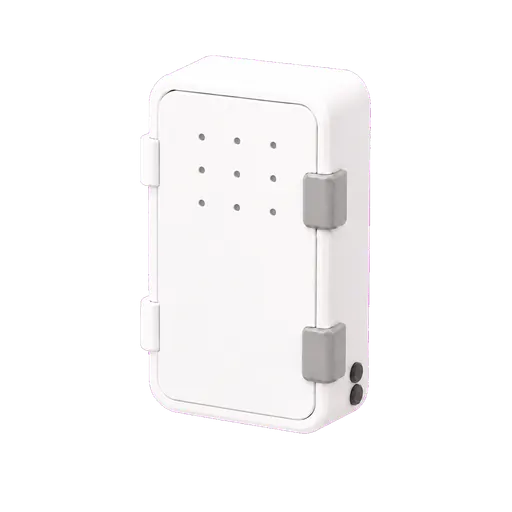
How Chorus works
A Chorus sensor detects the air vibrations made by aircraft and other motorized vehicles, as well as gunshots. Chorus detects aircraft that emit no RF at all, including fiber-optic drones, autonomous drones, and manned radio-silent airplanes. Additionally, Chorus detects FAA Remote ID broadcasts from complying drones in the United States.
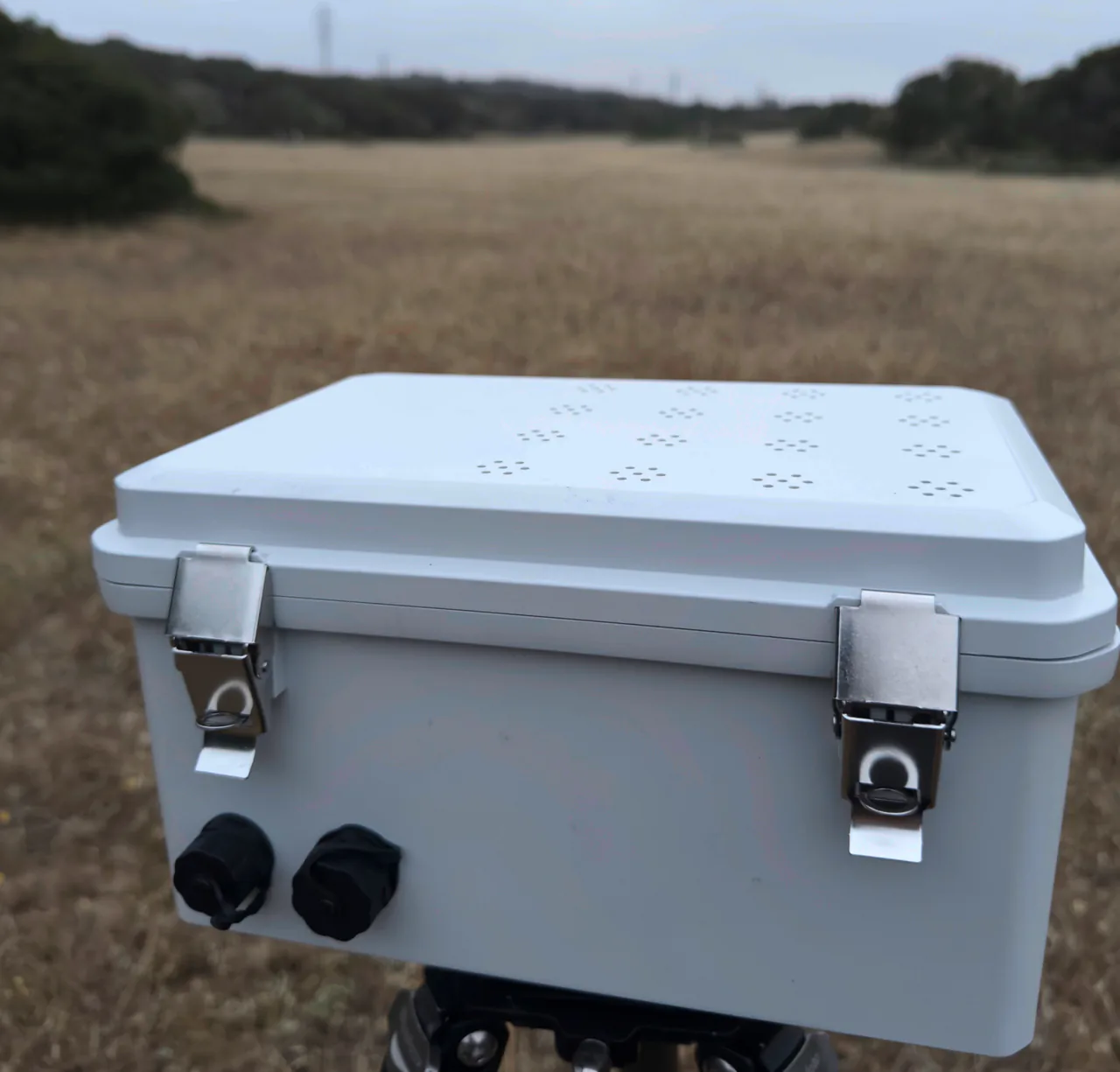
Detection range
| Method | Target | Max distance (meters) |
|---|---|---|
| Acoustic | Mavic-sized (Group 1 UAS) | 200 |
| Shahed-sized (Group 3 UAS) | Contact us | |
| Manned ground vehicles | Contact us | |
| Gunshots | Contact us | |
| Cooperative RF | FAA Remote ID1 | 1,000 |
1 The FAA Remote ID transmitters on most consumer drones typically do not transmit with enough power for long range detection.
Specifications
| Size | 11.3 × 7.3 × 6.3 in 287 × 185 × 161 mm |
|---|---|
| Weight | 7 lb 3.17 kg |
| Power | 8 watts |
| Connectivity | Dual-SIM cellular, Wi-Fi, or wired Ethernet |
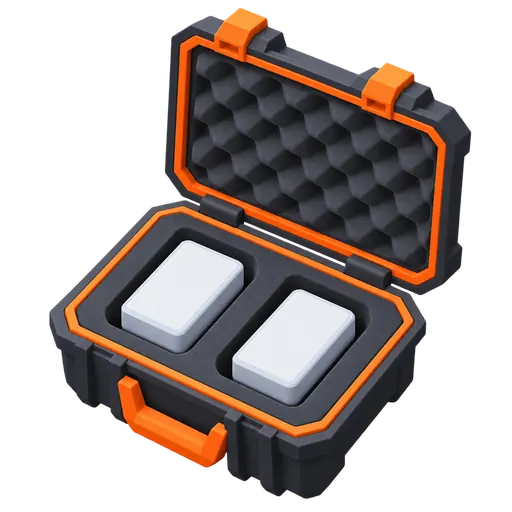
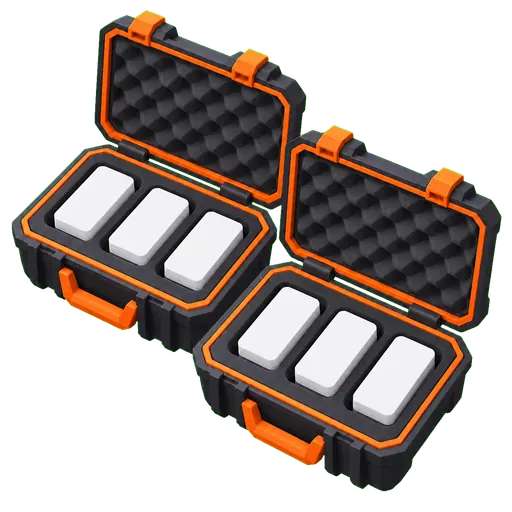

Availability
Chorus sensors are available to civilian, law enforcement, and military customers in the United States and allied countries.

Export control
Soundryx provisionally classifies Chorus as ECCN 5A992.c under the U.S. Export Administration Regulations. Classification requests to the U.S. government are pending.
Chorus-XL is the variant of Chorus intended for integration into fire control systems by customers with mitigation authority.
Privacy
- Chorus sensors do not store or transmit raw audio, transcribed speech, or derived features such as spectrograms.
- Chorus sensors do not capture photographs or video.
- Chorus sensors do not decrypt non-cooperative radio communication.
For how this fits the rest of the system, see Product Privacy.